Sign up to receive accounting tips, videos, news and webinar info before anyone else
Mailing Address
21750 Hardy Oak Blvd
Ste 104 PMB 63328
San Antonio, TX 78258-4946
(760) 697-1033
Running a business means facing both expected challenges and surprising changes. Markets shift, customer needs evolve, and financial conditions can move in unpredictable directions. Without a clear plan, these changes can strain your operations and long-term goals. Business scenario planning gives business owners a way to prepare for different financial outcomes before they happen, helping them stay confident and in control no matter what the future brings. With the right guidance and clear financial insight, you can make decisions that protect your business and support steady growth.
Scenario planning helps business leaders prepare for different financial situations before they happen. Instead of reacting to challenges as they arise, companies can build a roadmap that guides decisions during growth, uncertainty, or economic stress. A solid scenario planning business strategy is one of the most effective tools for creating financial clarity, strengthening long-term objectives, and protecting profitability.
Scenario planning is not guesswork. It is a structured approach that uses data, forecasting, and financial expertise to model potential outcomes under various conditions. When done correctly, it helps owners stay confident, even when the future is unpredictable.

Every business has factors that influence performance. These may include sales trends, hiring needs, operating expenses, cash flow patterns, and market conditions. Identifying these drivers is the first step toward building a meaningful business scenario planning template.
Once these factors are clear, TGG Accounting analyzes how each one behaves under different situations. For example, how would your business handle a sudden increase in demand? What if a major client paused their contract? What if supply costs rose faster than expected? By exploring these questions early, leaders gain a clearer understanding of where risks and opportunities may appear.
A strong scenario plan includes multiple versions of the future. These usually fall into three categories.
The best-case scenario depicts success when sales are strong, expenses remain stable, and operations run smoothly. This helps business owners plan for growth and expansion.
The worst-case scenario explores how financials may look under strain. This model is not meant to create fear. Instead, it gives leaders a roadmap for managing reduced revenue, higher costs, or unexpected setbacks.
The expected scenario sits in the middle. It reflects realistic performance based on current conditions and trends. This becomes the main reference point for budgeting and forecasting.
By comparing these scenarios, business owners can confidently prepare for what is likely to happen while staying ready for sudden changes.
Scenario planning relies on strong financial modeling. Accurate models help forecast how each situation will affect cash flow, margins, and overall profitability. TGG Accounting builds these models using detailed reporting and reliable data, ensuring each projection reflects your company’s real-world financial picture.
With this insight, owners can plan for hiring, operating expenses, new investments, and debt management with greater certainty. A good example of scenario planning in business is one that forecasts to the extent that it helps leaders decide when to take action, such as increasing marketing, reducing expenses, or adjusting pricing.
Scenario planning also helps you test how well your strategy holds up under pressure. By seeing how your financial statements respond to different situations, you can identify weaknesses early.
For instance, business scenario planning can reveal that your business depends too heavily on one revenue stream. Another scenario may show that certain expenses grow faster than your income. Addressing these issues before they become emergencies strengthens long-term financial health.
This type of planning also encourages creativity. Leaders often discover new opportunities, such as diversifying services, exploring new markets, or adjusting the sales approach.
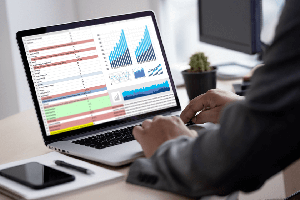
Scenario planning is useful only when the data is easy to understand. TGG Accounting provides reporting that translates financial projections into simple, actionable insights. Business owners can see how decisions affect cash, staffing, and profit without getting lost in spreadsheets.
This clarity helps leaders make smarter decisions when times are uncertain. Whether the market shifts, customer behavior changes, or new opportunities arise, scenario planning keeps decision-making grounded in facts rather than assumptions.
Economic changes, seasonal shifts, and unexpected challenges can create stress for any business. Scenario planning transforms that uncertainty into confidence by giving you a plan for multiple outcomes. Instead of reacting to problems, you stay ahead of them.
With expert guidance from TGG Accounting, businesses gain the financial insight needed to manage risk, protect cash flow, and plan for long-term growth. Scenario planning goes beyond preparing your company for the future; it actually helps you control it.
How often should a company update its business scenario plans?
Most businesses benefit from updating their scenario plans at least once a year, but fast-growing or rapidly changing companies may need updates every quarter. Any major shift, such as a new product launch, leadership change, or economic disruption, is also a good time to review and refresh projections.
Does business scenario planning work for small businesses, or only for large companies?
Scenario planning is valuable for businesses of all sizes. Small companies often benefit even more because they have fewer financial buffers. By preparing for multiple outcomes, smaller businesses can protect cash flow, prevent unnecessary risks, and make confident choices about hiring, pricing, and future growth.
What financial documents are needed to start business scenario planning?
A scenario plan usually requires accurate financial statements, including profit-and-loss statements, cash flow statements, balance sheets, and up-to-date budgets. Companies with clear records will see better results because the projections will reflect real performance rather than estimates.
Can business scenario planning help achieve long-term goals such as expansion or acquisition?
Yes. Scenario planning in business provides a structured way to test how long-term goals would impact financial health. Leaders can explore different outcomes for expansion, mergers, or acquisitions, helping them understand how much investment makes sense and whether the timing is right.
Is business scenario planning useful during periods of stability?
Even during stable periods, scenario planning creates clarity and reassurance. It helps owners confirm that their strategy is on track and gives them a framework for responding quickly if the market changes. Consistent planning during calm periods makes businesses stronger when uncertainty arises.
Do business scenario plans need to include operational details, or just financial projections?
While financial projections are essential, the best scenario plans also consider operational factors such as staffing, capacity, supply chain requirements, and customer demand. Aligning operations with financial outcomes helps businesses create actionable strategies rather than theoretical models.
What software or tools are commonly used for business scenario planning?
Many companies use financial modeling software, budgeting platforms, or advanced spreadsheets to create scenarios. However, the most important factor is accurate data and professional interpretation. Tools help organize the numbers, but expert insight determines how meaningful the scenarios will be.
Can business scenario planning improve investor or lender confidence?
Yes. Investors and lenders often see business scenario planning as proof that a business understands its financial landscape and is thinking ahead. Clear projections and strategic preparedness can strengthen financing negotiations and demonstrate responsible financial management.

Matt Garrett is the Founder and Chief Executive Officer of TGG. He is a regular speaker across the country on behalf of Vistage educating business owners on the need for sound financial practices, and is Vice President of the Board of Directors of FINACA. Under Matt’s leadership, TGG has received the following recognition: INC. 5000 top companies in the U.S. five years in a row; one of “San Diego’s Fastest Growing Companies” the past four years; and is among San Diego’s “Best Places to Work.”

 Financial Forecasting Mistakes to Avoid: Common Errors in Business Projecti...