Financial Challenges of Fast Growing Companies

👉 Quick Answer: Fast-growing companies don’t fail because of lack of revenue, they struggle because their financial systems can’t keep up with the speed of growth. As complexity increases across multiple locations, entities, or revenue streams, businesses face challenges like inaccurate reporting, cash flow gaps, and lack of visibility into performance. Without a structured finance function, leadership ends up making decisions based on incomplete or outdated data.
This is where a system like The TGG Way™ becomes critical. Instead of relying on a single bookkeeper or fragmented processes, TGG assigns a full financial team, and outsourced CFO, Controller, Accounting Manager, and Staff Accountant, to build scalable reporting, forecasting, and controls that grow with the business . The result is clear financial insight, stronger decision-making, and a foundation that supports sustainable growth rather than reacting to it.
3 Ways TGG Helps With Common Growth-Stage Finance Pitfalls And Identifies And Solves Scaling Bottlenecks
- Builds clean, structured financial systems that eliminate reporting errors and give leadership accurate, real-time visibility into performance
- Identifies cash flow gaps early through forecasting and proactive planning, preventing growth from outpacing available capital
- Implements scalable processes and multi-entity frameworks that remove operational bottlenecks and support expansion without financial chaos
Common Growth-Stage Finance Pitfalls
Fast-growing companies tend to run into the same set of financial problems, and most of them are not obvious at the beginning. Revenue is climbing, customers are coming in, and on the surface everything looks like it is working. Behind the scenes, though, the financial foundation often starts to crack.
One of the biggest issues is relying on outdated or overly simple accounting systems. What worked when the business had one revenue stream or one entity does not hold up when there are multiple locations, departments, or product lines. Reporting becomes inconsistent, and leadership ends up looking at numbers that are already behind or incomplete.
Another common problem is the lack of real visibility. Many companies think they understand their margins or profitability, but they are looking at high-level summaries instead of detailed, accurate data. That disconnect leads to decisions that feel right but are not backed by reality. Over time, that gap gets expensive.
Cash flow is another pressure point. Growth often requires upfront investment, hiring, inventory, marketing, and infrastructure. Without a forward-looking plan, companies can find themselves in a position where revenue is strong but cash is tight. That disconnect can slow growth or force reactive decisions.
Identify And Solve Scaling Bottlenecks
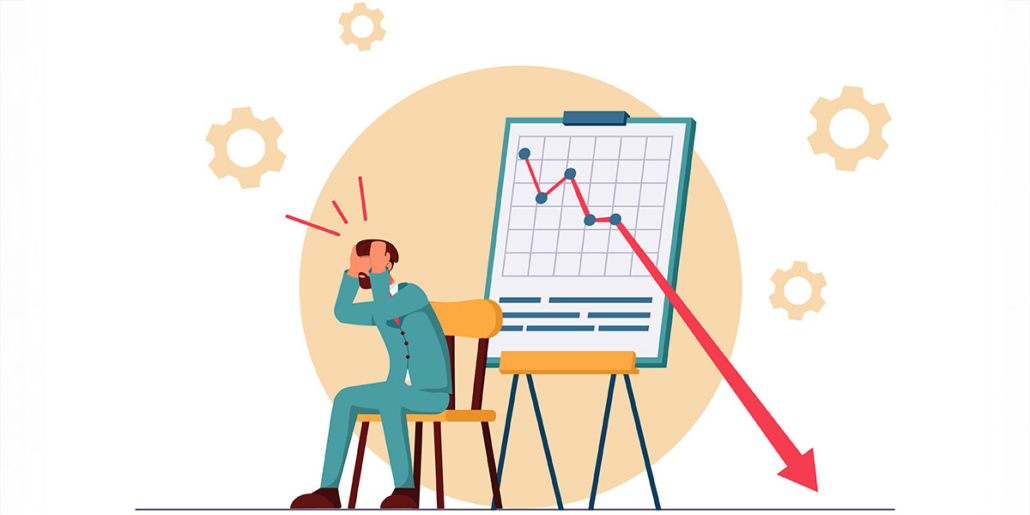
As a company scales, bottlenecks start to show up in places that were not a problem before. These are not always operational issues, many of them are financial and tied to how information flows through the business.
A common bottleneck is the month-end close process. If it takes too long to close the books, leadership is always making decisions based on stale data. That delay compounds over time, especially when the business is growing quickly and conditions are changing week to week.
Another bottleneck shows up in the operational reporting structure. If financial data is not organized in a way that reflects how the business actually operates, it becomes difficult to isolate performance by location, department, or service line. That makes it nearly impossible to scale strategically because there is no clear view of what is working and what is not.
Solving these issues requires more than patching individual problems. It means building systems that are designed for scale from the start. With The TGG Way™, businesses get a structured approach to financial operations that removes these bottlenecks before they slow growth. The focus is on creating clarity, speed, and consistency across all financial processes.
Building Scalable Financial Infrastructure Early
Many companies wait too long to build real financial infrastructure. They assume they can layer it in later, but by that point, the complexity has already outgrown the systems they have in place.
Scalable infrastructure is not just about software. It is about how financial data is organized, how processes are documented, and how responsibilities are divided across a team. Without that structure, growth creates friction instead of momentum.
TGG approaches this differently by assigning a full accounting team instead of relying on a single role. With a CFO, Controller, Accounting Manager, and Staff Accountant working together, each layer of the financial operation is handled with the right level of expertise. That setup allows systems to grow alongside the business instead of constantly being rebuilt.
When infrastructure is built correctly, reporting becomes faster, forecasting becomes more accurate, and leadership gains the confidence to make bigger decisions without hesitation.
Why Reactive Finance Slows Growth
Reactive finance is one of the biggest hidden risks in a growing company. It shows up when the finance function is always catching up instead of leading. Reports come after decisions, not before them. Problems are identified late, not early.
This approach creates a cycle where leadership is constantly adjusting instead of executing. It also increases stress across the organization because teams are working without clear financial direction.
Shifting to a proactive model changes that dynamic. Forecasting becomes a regular part of the process, not something done in response to a problem. Financial data is used to guide decisions before resources are committed.
TGG builds this proactive layer into every engagement. Instead of just tracking what has already happened, the focus is on helping companies understand what is coming next and how to prepare for it.
Learn the biggest financial challenges fast-growing companies face and how scalable accounting systems, reporting, and CFO support drive sustainable growth. Contact TGG Accounting to see how our services can deliver real improvements in your ongoing business success.
Finance Consultancy Partner
"*" indicates required fields

Aligning Financial Strategy With Growth Goals
Growth without alignment can create more problems than it solves. Companies expand into new markets, launch new services, or hire aggressively without a clear financial strategy to support those moves.
Alignment starts with understanding the true drivers of profitability. Not every revenue stream contributes equally, and not every growth opportunity is worth pursuing. Without detailed financial insight, it is easy to invest in areas that look promising but do not deliver long-term value.
A structured financial strategy ties every major decision back to clear data. It connects budgeting, forecasting, and reporting into a single system that supports the company’s growth goals.
Through The TGG Way™, businesses gain that alignment by having a dedicated financial team that is focused not just on accuracy, but on strategy. The result is growth that is intentional, supported, and sustainable, rather than reactive or uncertain.
FAQs About the Financial Challenges of Fast Growing Companies
What are the most common financial challenges fast growing companies face?
Fast growing companies typically struggle with cash flow management, lack of real-time financial visibility, inaccurate reporting, and systems that cannot scale with increased complexity. These challenges often lead to delayed decisions and operational inefficiencies.
Why do financial systems break during periods of rapid growth?
Financial systems break because they were built for a smaller, simpler version of the business. As new revenue streams, entities, or locations are added, outdated processes cannot keep up, resulting in errors, delays, and limited insight.
How can companies identify financial bottlenecks during scaling?
Bottlenecks often appear in slow month-end closes, inconsistent reporting, and unclear profitability by department or location. If leadership cannot access accurate financial data quickly, it is a sign the system is not built for scale.
What role does a CFO play in solving growth-stage financial challenges?
A CFO provides strategic oversight, forecasting, and financial planning. They help align financial data with business goals, identify risks early, and guide decision-making to support sustainable growth.
How does TGG help companies overcome financial challenges during growth?
TGG uses a team-based approach with a CFO, Controller, Accounting Manager, and Staff Accountant to build scalable systems, improve reporting accuracy, and provide forward-looking financial insights. This structure helps companies avoid common pitfalls and scale with confidence.

Janine Smith is a Consulting CFO with TGG. She has a wealth of experience in accounting process development and management, supervising both TGG staff and client’s internal staff (banking, AR, AP, inventory management, payroll), and working with many different types of accounting software. She has worked with clients to develop KPIs that fit their current needs and coached them to support the goals of the business. One of her favorite tasks is budget development and using that as a tool to help organizations meet their goals.