How to Build a Scalable Accounting Department

👉 Quick Answer: A scalable accounting department is built by combining the right structure, consistent processes, and forward-looking financial leadership. Instead of relying on a single bookkeeper or fragmented systems, growing companies need a layered team that handles daily transactions, enforces controls, and drives strategy. At TGG Accounting, this is done through a dedicated four-person model, CFO, Controller, Accounting Manager, and Staff Accountant, which creates both operational stability and strategic visibility as the business scales.
3 Ways TGG Helps With Systems That Grow With Your Company and Build Processes That Scale With Growth
- Implements cloud-based accounting systems that integrate with your existing tools, giving you real-time financial visibility and reducing manual work as transaction volume increases
- Standardizes workflows and operational reporting processes across your organization, so financial data stays consistent, accurate, and easy to scale as new locations, entities, or revenue streams are added
- Builds a structured accounting team with defined roles and responsibilities, ensuring that processes are maintained, improved, and able to support growth without breaking under pressure
Systems That Grow With Your Company
A scalable accounting department starts with systems that can actually keep up. This is where a lot of growing businesses quietly fall apart. What worked when you were doing a few hundred transactions a month starts breaking when you are handling thousands, multiple revenue streams, or different entities. Suddenly, reporting lags, errors creep in, and nobody fully trusts the numbers.
The fix is not just better software, it is the right combination of integrated systems. Cloud-based accounting platforms, automated billing tools, expense management systems, and clean integrations across your tech stack all matter. When everything talks to each other, you eliminate duplicate data entry and reduce the risk of human error. More importantly, leadership gets access to real-time financials instead of waiting weeks for reports that are already outdated.
At TGG, the focus is on building systems that do not need to be ripped out and replaced every time the company grows. The goal is continuity. That means choosing tools and configurations that can handle increased volume, more complexity, and additional entities without slowing everything down or requiring a complete rebuild six months later.
Build Processes That Scale With Growth
Systems alone will not save you if your processes are messy. You can have the best tools in the world, but if your workflows are inconsistent or undocumented, scaling becomes chaotic fast. This is where disciplined process design comes in, and it is often the difference between a company that grows cleanly and one that constantly feels behind.
Scalable processes are repeatable, documented, and easy for new team members to follow. Month-end close, accounts payable, accounts receivable, payroll, all of these need clearly defined steps, ownership, and timelines. Without that structure, every growth milestone creates friction, and the finance team ends up reinventing the wheel every month.
TGG approaches this by building standardized workflows that are designed for volume from the start. Instead of patching things together as problems arise, the processes are mapped out with future growth in mind. That includes setting expectations around timelines, building in checks and balances, and making sure nothing depends on one person holding everything in their head.
Create A Structured Accounting Team That Supports Expansion
One of the biggest misconceptions is that scaling accounting just means hiring more people. In reality, throwing more bodies at a broken structure usually makes things worse. You end up with overlapping responsibilities, missed handoffs, and confusion about who owns what.
A scalable accounting department needs a clear structure. This is where TGG’s four-person model stands out. With an outsourced CFO, Controller, Accounting Manager, and Staff Accountant, each role has a defined function. The Staff Accountant handles day-to-day transactions, the Accounting Manager oversees execution, the Controller ensures accuracy and compliance, and the CFO focuses on strategy and forward-looking decisions.
This layered approach prevents bottlenecks and creates accountability at every level. It also means the business owner is not stuck trying to translate raw financial data into decisions. Instead, there is a system of ownership that grows with the company and keeps everything moving without constant intervention.
Establish Financial Controls Without Slowing Down Operations
Growth can expose weaknesses fast, especially when it comes to financial controls. Without proper oversight, small errors turn into bigger problems, and in some cases, risk turns into real financial loss. At the same time, overly rigid controls can slow the business down and frustrate teams that need to move quickly.
The balance is building controls that protect the business without creating unnecessary friction. That includes approval workflows, separation of duties, reconciliations, and regular financial reviews. These are not just compliance tasks, they are what keep the business running clean as complexity increases.
TGG builds these controls into the system from the beginning, rather than layering them on after issues show up. The result is a finance function that supports growth instead of getting in the way of it. Teams can operate efficiently, while leadership has confidence that the numbers are accurate and the risks are managed.
Learn how to build a scalable accounting department with the right team structure, systems, and financial leadership to support long-term business growth. Contact us today.
Finance Consultancy Partner
"*" indicates required fields

Turn Financial Data Into Forward-Looking Strategy
At a certain point, accounting has to go beyond tracking what already happened. A scalable department does not just report numbers, it helps shape decisions. This is where many companies hit a ceiling, because they have data but no clear way to use it.
Forward-looking finance means turning historical data into insights. Forecasting cash flow, modeling different growth scenarios, analyzing margins, and identifying trends early, these are what allow a company to make proactive decisions instead of reactive ones. Without this layer, growth feels unpredictable, even if revenue is increasing.
TGG’s model is built to bridge that gap. With CFO-level oversight, the accounting department becomes a strategic asset instead of a back-office function. Leadership gets clear answers about where the business is headed, not just where it has been. That shift is what allows companies to scale with confidence instead of constantly playing catch-up.
FAQs About How to Build a Scalable Accounting Department
What makes an accounting department scalable?
A scalable accounting department has the right systems, clearly defined roles, and repeatable processes that can handle increased transaction volume and complexity without constant restructuring.
When should a company start building a scalable accounting function?
Most companies should start early in the growth phase, especially when revenue is increasing, headcount is expanding, or financial complexity is rising across multiple entities or locations.
Why do growing companies outgrow basic bookkeeping?
Basic bookkeeping focuses on recording transactions, but scaling companies need deeper financial oversight, forecasting, and controls that support decision-making and long-term growth.
How do systems impact scalability in accounting?
The right systems automate workflows, reduce manual errors, and provide real-time insights, allowing the accounting function to keep up with growth without adding unnecessary headcount.
What role does financial leadership play in scaling accounting?
Financial leadership, such as a CFO or Controller, ensures that systems, processes, and reporting evolve alongside the business, helping owners make informed decisions and avoid costly mistakes.
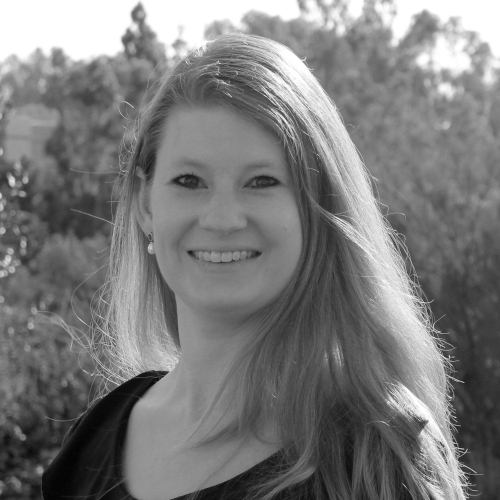
Janine Smith is a Consulting CFO with TGG. She has a wealth of experience in accounting process development and management, supervising both TGG staff and client’s internal staff (banking, AR, AP, inventory management, payroll), and working with many different types of accounting software. She has worked with clients to develop KPIs that fit their current needs and coached them to support the goals of the business. One of her favorite tasks is budget development and using that as a tool to help organizations meet their goals.