What Does a CFO Do in a Scaling Company

👉 Quick Answer: A CFO in a scaling company turns financial data into strategy. They build forecasts, manage cash flow, guide major decisions, and ensure the business can grow without losing control. At firms like TGG Accounting, the CFO acts as a financial co-pilot, aligning reporting, budgeting, and long-term planning so leadership can scale with clarity and confidence.
3 Ways TGG Helps With The Role Of Finance In Growth And Understanding CFO Impact On Scaling
- Aligns financial strategy with growth goals, translating numbers into clear decisions that support sustainable scaling rather than reactive expansion
- Builds forward-looking forecasts and cash flow models, giving leadership visibility into what growth actually costs and how to fund it without disruption
- Provides high-level CFO guidance through a structured team approach, helping businesses understand financial risks, optimize performance, and scale with control instead of chaos
The Role Of Finance In Growth
When a company starts scaling, finance stops being a back-office function and becomes a core driver of decision-making. Growth introduces complexity fast, more revenue, more expenses, more people, and a lot more room for mistakes. Without strong financial oversight, that growth can turn into confusion just as quickly.
A fractional CFO brings structure to that chaos. They make sure leadership understands not just what is happening financially, but why it is happening and what comes next. That includes building forecasts that reflect real operating conditions, not best-case assumptions, and creating systems that track performance across departments.
At TGG, this role is handled through a team-based approach, where finance is not reactive. Instead of looking backward at what already happened, the focus shifts to what is coming and how to prepare for it. That is where real growth becomes sustainable instead of stressful.
Financial Leadership That Scales With The Business
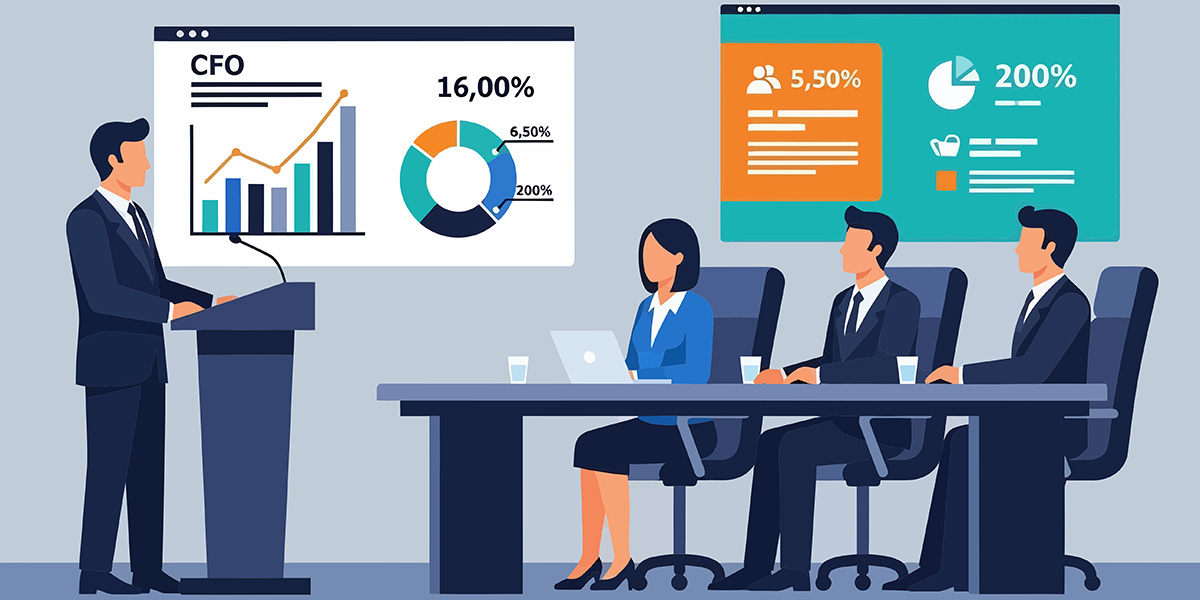
One of the biggest gaps in scaling companies is leadership. Founders and operators are often strong in vision and execution, but finance requires a different lens. It is not just about keeping things organized, it is about making high-stakes decisions with incomplete information.
A CFO fills that gap by acting as a strategic partner. They help answer questions like when to hire, how to price, whether expansion makes sense, and how much risk the company can realistically take on. These are not accounting questions, they are business survival questions.
TGG’s model stands out because it delivers that level of leadership without requiring a full-time executive hire. Through their accounting dream team structure, businesses get access to CFO-level thinking alongside controllers and accountants who ensure the details actually match the strategy.
Understanding CFO Impact On Scaling
The impact of a CFO during scaling shows up in ways that are easy to overlook until something goes wrong. Cash flow is the obvious one. Growth eats cash, even when revenue looks strong on paper. A CFO ensures there is enough liquidity to support expansion without hitting a wall.
Beyond that, they create clarity. Instead of guessing which parts of the business are working, leadership can see performance broken down in a way that supports real decisions. That might mean identifying underperforming services, adjusting pricing, or doubling down on what is actually driving margin.
There is also a risk component. Scaling introduces new variables, larger payroll, longer receivables cycles, bigger commitments. A CFO helps manage that risk so the business does not outgrow its own infrastructure.
Without that guidance, companies often grow themselves into operational problems. With it, they grow with intention.
Building Systems That Support Growth
Scaling is not just about making more money, it is about handling more complexity without everything breaking. That requires systems, and not just software, but processes that ensure consistency and accuracy across the business.
A CFO plays a key role in designing those systems. They help implement reporting structures, budgeting frameworks, and internal controls that keep the company grounded as it expands. This is where many businesses struggle, because they try to scale using systems that were built for a much smaller operation.
TGG focuses heavily on building these foundations early. Clean books, consistent reporting, and clear financial workflows are not optional at this stage. They are what allow leadership to move quickly without second-guessing every decision.
When systems are in place, growth becomes repeatable. Without them, every new phase feels like starting over.
Learn what a CFO does in a scaling company, including forecasting, cash flow management, and strategic planning, by contacting TGG today.
Finance Consultancy Partner
"*" indicates required fields

Strategic Decision Making Backed By Data
At a certain point, growth decisions stop being intuitive. There are too many variables, too many moving parts, and too much at stake. That is where a CFO shifts the conversation from opinion to data.
They take raw financial information and turn it into insights that leadership can actually use. That includes scenario planning, margin analysis, and forecasting different growth paths. Instead of asking can we do this, the question becomes should we do this, and what happens if we do.
TGG’s approach reinforces this by integrating financial strategy directly into day-to-day operations. Decisions are not made in isolation. They are backed by real numbers, current performance, and forward-looking projections.
This is what separates companies that scale successfully from those that stall out. It is not just about growing, it is about growing with clarity.
FAQs About What Does a CFO Do in a Scaling Company
What does a CFO actually do in a growing company?
A CFO oversees financial strategy, forecasting, cash flow management, and decision support. They help leadership understand financial performance and guide the company through growth with clear, data-backed insights.
When should a company hire a CFO?
Most companies benefit from CFO-level support once growth creates complexity, typically when revenue is increasing quickly, teams are expanding, or financial decisions start carrying more risk.
How is a CFO different from an accountant or controller?
Accountants and controllers focus on accuracy and reporting, while a CFO focuses on strategy, forecasting, and high-level decision-making that impacts the future of the business.
Can a company scale without a CFO?
It is possible, but risky. Without financial leadership, companies often run into cash flow issues, poor decision-making, or operational inefficiencies that slow or reverse growth.
How does TGG provide CFO support?
TGG delivers CFO-level guidance through a team-based model, combining strategic oversight with hands-on accounting and reporting, so businesses get both insight and execution as they scale.

Janine Smith is a Consulting CFO with TGG. She has a wealth of experience in accounting process development and management, supervising both TGG staff and client’s internal staff (banking, AR, AP, inventory management, payroll), and working with many different types of accounting software. She has worked with clients to develop KPIs that fit their current needs and coached them to support the goals of the business. One of her favorite tasks is budget development and using that as a tool to help organizations meet their goals.